
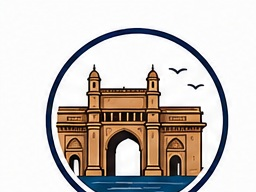
Mumbai
See what's happening
Browse topics · 32
Mumbai
Basic informationOpen ↗
| Attribute | Detail | | :--- | :--- | | Official Name | Mumbai | | Common Name | Mumbai | | Native Name(s) | मुंबई (Marathi) | | Nicknames | City of Dreams, Maximum City, Financial Capital of India, Bollywood | | Motto | _Yato Dharmastato Jaya_ (Where there is Righteousness, there is Victory) | | Geographic Level | City (Metropolis) | | Country | India | | State/Province | Maharashtra | | Capital | Capital of Maharashtra | | Government Type | Municipal Corporation | | Date Founded | 1507 (Portuguese acquisition), 1534 (Treaty of Bassein); ancient settlements date back centuries. | | Time Zone | Indian Standard Time (IST), UTC +5:30 | | Latitude | 18.9220° N | | Longitude | 72.8347° E | | Elevation | 14 m (46 ft) average | | Total Area | 603.4 sq km (233 sq mi) (City proper) | | Population | ~12.5 million (City proper), ~20+ million (Metro area) | | Population Density | ~21,000/km² (City proper) | | ZIP/Postal Codes | 400001 to 400210 | | Area Codes | +91 22 | | Official Languages | Marathi (Official), Hindi, English | | Currency | Indian Rupee (INR) | | Demonym | Mumbaikar |
OverviewOpen ↗
Mumbai, formerly known as Bombay, is the sprawling, densely populated capital of the Indian state of Maharashtra and the de facto financial nerve center of India. Situated on the country's western coast along the Arabian Sea, it is a city of staggering contrasts, where immense wealth exists shoulder-to-shoulder with vast informal settlements. Known colloquially as "Maximum City," Mumbai is renowned for its unrelenting pace, deeply rooted entrepreneurial spirit, and its unique ability to draw dreamers from every corner of the Indian subcontinent.
Beyond its economic might, Mumbai is the birthplace and heart of Indian cinema—Bollywood—which produces hundreds of films annually and shapes the cultural zeitgeist of the nation. It is a city defined by iconic landmarks such as the Gateway of India, the Victorian Gothic architecture of Chhatrapati Shivaji Maharaj Terminus, and the sweeping coastal promenade of Marine Drive.
Whether navigating the frenetic local trains, tasting world-renowned street food like Vada Pav, or strolling through lush heritage precincts in South Mumbai, residents and visitors alike experience a vibrant, pluralistic metropolis. Mumbai’s historical evolution from an archipelago of seven fishing islands into one of the world's largest and most consequential megacities is a testament to the resilience and ambition of its people.
HistoryOpen ↗
Mumbai's history begins as an archipelago of seven distinct islands—Bombay, Parel, Mazagaon, Mahim, Colaba, Worli, and Old Woman's Island (Little Colaba)—originally inhabited by the indigenous Koli fishing community. In the 3rd century BCE, the islands were part of the Maurya Empire under Emperor Ashoka, leading to early Buddhist influence, visible today in the Kanheri and Mahakali caves.
In 1534, the Portuguese captured the islands from the Gujarat Sultanate, establishing trading posts and building forts and churches. Over a century later, in 1661, the islands were given to the English King Charles II as part of the dowry of Catherine of Braganza. The British Crown subsequently leased them to the East India Company in 1668, marking the beginning of Bombay’s rise as a crucial trading port.
Between 1782 and 1845, the monumental Hornby Vellard engineering project reclaimed the land between the seven islands, fusing them into a single, contiguous landmass. The mid-19th century brought the advent of the first passenger railway line in Asia (1853) and an economic boom fueled by the American Civil War, which drove massive demand for Indian cotton. Bombay became a bastion of the Indian independence movement, notably hosting the first session of the Indian National Congress in 1885 and serving as the launchpad for Mahatma Gandhi's Quit India Movement in 1942. In 1995, the city was officially renamed Mumbai to reflect its Marathi heritage, honoring the patron goddess Mumbadevi.
GeographyOpen ↗
Mumbai is located on a narrow peninsula on the southwest of Salsette Island, bordered by the Arabian Sea to the west, Thane Creek to the east, and Vasai Creek to the north. The city forms a natural harbor that has historically shielded its ports from the worst of the Arabian Sea's weather.
Despite being a hyper-dense urban jungle, Mumbai features a surprising array of natural geographic features. The Sanjay Gandhi National Park, covering over 100 square kilometers, is located entirely within the city limits—a rarity for major global metropolises. This protected forest acts as the city's "green lung" and is home to leopards, deer, and diverse avian species. Mumbai also contains three major lakes—Powai, Vihar, and Tulsi—the latter two of which are located within the national park and supply a portion of the city's drinking water.
TopographyOpen ↗
Mumbai's topography was artificially created through centuries of land reclamation, transforming deep creeks and tidal flats into flat coastal plains. Much of the southern city sits at or just above sea level, making it highly susceptible to flooding during heavy monsoon high tides.
The terrain is flanked by two prominent ridges: Malabar Hill and Cumbala Hill in South Mumbai. Further north, the landscape becomes significantly more rugged within the Sanjay Gandhi National Park. The highest point in the city is roughly 450 meters (1,476 feet), located in the national park's mountainous terrain. The city is additionally intersected by several minor rivers and creeks, the most notable being the Mithi River, which drains into the Mahim Creek.
Weather & climateOpen ↗
Mumbai experiences a Tropical Wet and Dry climate (Köppen: Aw), transitioning into a Tropical Monsoon climate (Am). The year is distinctly divided into three seasons: a hot and humid pre-monsoon summer (March to May), a torrential monsoon season (June to September), and a milder, drier post-monsoon and winter period (October to February).
Temperatures are fairly consistent year-round, typically ranging between 20°C and 33°C (68°F - 91°F). The city's coastal nature means humidity is chronically high. Mumbai receives an extraordinary amount of rainfall during the monsoon, averaging roughly 2,200 mm to 2,500 mm (86-98 inches) annually, frequently leading to localized flooding. The best time to visit is between November and February, when the weather is relatively cool, dry, and pleasant. Natural disasters primarily include severe monsoon flooding and occasional cyclonic storms originating in the Arabian Sea.
PopulationOpen ↗
Mumbai is one of the most populous cities in the world. As of the last official census in 2011, the city proper held approximately 12.5 million residents, with the Greater Mumbai Metropolitan Region (MMR) exceeding 20 million. It boasts a staggering population density of roughly 21,000 people per square kilometer.
The city is a melting pot of ethnicities, cultures, and religions. While Maharashtrians form the largest demographic, there are massive populations of Gujaratis, North Indians, South Indians, and Bengalis. Hinduism is the majority religion, followed by significant populations practicing Islam, Buddhism, Jainism, Christianity, Sikhism, and Zoroastrianism (the Parsi community). Marathi is the official language, though Hindi and English serve as the primary lingua francas for commerce and daily interaction.
GovernmentOpen ↗
The city is governed by the Brihanmumbai Municipal Corporation (BMC), often cited as the wealthiest municipal corporation in India. The BMC is responsible for civic infrastructure, public health, education, and city planning. The corporation is headed by an IAS (Indian Administrative Service) officer appointed by the state government who serves as the Municipal Commissioner, holding actual executive power. A ceremonial Mayor is elected from the municipal councilors (corporators).
Administratively, Mumbai is divided into two districts: the Mumbai City District (South Mumbai) and the Mumbai Suburban District, each overseen by a District Collector. The city is a major political powerhouse, sending a significant number of Members of the Legislative Assembly (MLAs) to the Maharashtra State Legislature, and Members of Parliament (MPs) to the national Lok Sabha.
EconomyOpen ↗
Mumbai is the undisputed financial capital of India, generating over 6% of the national GDP, accounting for roughly 70% of maritime trade, and processing 70% of capital transactions in the country. It is home to India’s premier financial institutions, including the Reserve Bank of India (RBI), the Bombay Stock Exchange (BSE), the National Stock Exchange (NSE), and the Securities and Exchange Board of India (SEBI).
The city serves as the corporate headquarters for numerous Indian conglomerates (such as the Tata Group, Reliance Industries, and Aditya Birla Group) and houses the regional offices of countless multinational corporations. Despite this immense wealth generation, the cost of living—particularly real estate—is among the highest in the developing world, leading to a stark economic divide.
IndustriesOpen ↗
* Finance & Banking: Home to major stock exchanges, the central bank, and headquarters of domestic and international banks. * Entertainment (Bollywood): The epicenter of the Hindi film industry, television production, and digital media, driving significant employment. * Information Technology: Major IT parks (like SEEPZ and Mindspace) host top global software and tech consultancy firms. * Manufacturing: Historically rooted in textiles, the sector has transitioned to automobiles, engineering, petrochemicals, and consumer goods. * Healthcare & Pharmaceuticals: A major hub for medical tourism, corporate hospitals, and headquarters for top Indian pharma companies. * Real Estate & Construction: Driven by constant demand, land scarcity, and high property values, this is a massive economic driver. * Logistics & Maritime Trade: Centered around the Mumbai Port Trust and the nearby Jawaharlal Nehru Port Trust (JNPT), handling a massive share of India's cargo.
AgricultureOpen ↗
As a densely packed metropolitan area, Mumbai has practically no traditional agriculture or large-scale farming within its city limits. Land is almost exclusively utilized for residential, commercial, and industrial purposes.
However, the indigenous Koli community maintains a robust and historic fishing industry along the coastlines and creeks, providing fresh seafood to local markets. The city's massive food demand is met through an extensive logistics network importing grains, vegetables, and livestock from the rest of Maharashtra and neighboring states like Gujarat and Karnataka.
HousingOpen ↗
Mumbai's housing market is notoriously expensive and highly stratified, ranking as one of the least affordable real estate markets globally relative to average local income.
South Mumbai neighborhoods (such as Malabar Hill, Altamount Road, and Cuffe Parade) feature some of the most expensive luxury high-rises and heritage apartments in the world. The suburbs offer a mix of middle-to-upper-class condominiums and apartment blocks. Due to the extreme cost of housing and rapid historical migration, over 40% of Mumbai's population lives in informal settlements or slums, the most famous being Dharavi. The government continually initiates Slum Rehabilitation Authority (SRA) projects and infrastructure development to attempt to formalize housing, though space remains the ultimate constraint.
NeighborhoodsOpen ↗
* Colaba & Fort (South Mumbai): The historic heart of the city, known for colonial architecture, heritage hotels, and high-end boutiques. * Malabar Hill & Cumbala Hill: Ultra-exclusive residential enclaves featuring lush greenery, sea views, and billionaire residences. * Bandra (Western Suburbs): Dubbed the "Queen of the Suburbs," famous for its Catholic heritage, vibrant nightlife, expatriate community, and Bollywood celebrity homes. * Juhu & Andheri (Western Suburbs): A bustling commercial and residential hub, home to Juhu Beach, production houses, and upscale dining. * Powai (Eastern Suburbs): A modern, meticulously planned neighborhood set around Powai Lake, housing IIT Bombay and numerous tech startups. * Dharavi: Historically one of Asia's largest slums, it is a highly active, self-sustaining hub of informal recycling, leather, and textile industries.
TransportationOpen ↗
Mumbai's transportation network is heavily reliant on public transit, which is used by over 80% of commuters. The Mumbai Suburban Railway (local trains) is the lifeline of the city, carrying nearly 7-8 million passengers daily across the Western, Central, and Harbor lines. The Brihanmumbai Electric Supply and Transport (BEST) operates an extensive fleet of iconic red buses.
To ease chronic road congestion, the city has invested heavily in modern infrastructure, including the Bandra-Worli Sea Link, the Eastern Freeway, and the newly opened Mumbai Trans Harbor Link (Atal Setu). The Mumbai Metro is rapidly expanding, with several lines operational and many more under construction. Chhatrapati Shivaji Maharaj International Airport (CSMIA) handles massive domestic and international air traffic, while a second airport (Navi Mumbai International Airport) is under construction to manage overflow. Taxis (classic Kaali-Peelis) and auto-rickshaws (restricted to the suburbs) are ubiquitous.
InfrastructureOpen ↗
Mumbai boasts a generally robust utility infrastructure compared to the rest of the country. Electricity is largely privatized and highly reliable, provided by Tata Power, Adani Electricity, and the BEST undertaking. Water is supplied by the BMC, pumped from several lakes located in the northern suburbs and neighboring districts, though equitable distribution remains a challenge.
The city has extensive broadband and cellular networks, with 4G and 5G connectivity available universally via providers like Jio, Airtel, and Vodafone Idea (Vi). The city's sewage and drainage systems—many dating back to the British era—are currently undergoing massive overhauls to combat the annual monsoon flooding.
EducationOpen ↗
Mumbai is a premier educational hub in India, featuring a mix of prestigious public and private institutions. The University of Mumbai (established in 1857) is one of the oldest and largest universities in the world by enrollment.
Notable institutions include: * Indian Institute of Technology (IIT) Bombay: One of India's most prestigious engineering and technology institutes. * Tata Institute of Social Sciences (TISS): A premier institute for social sciences, public policy, and rural development. * St. Xavier's College: A historic liberal arts and sciences college known for its Gothic architecture and high academic standards. * Veermata Jijabai Technological Institute (VJTI): A highly regarded, historic engineering college. * Jamnalal Bajaj Institute of Management Studies (JBIMS): One of India’s top business schools. * Grant Medical College and Sir J.J. Group of Hospitals: A premier and historic medical institution. Primary and secondary education is provided by public schools run by the BMC, as well as a vast network of private schools affiliated with state (SSC), national (CBSE, ICSE), and international (IB, IGCSE) boards.
HealthcareOpen ↗
Mumbai has a vast and dynamic healthcare infrastructure, comprising both large public institutions and state-of-the-art private facilities.
* Public Hospitals: King Edward Memorial (KEM) Hospital, Lokmanya Tilak Municipal General Hospital (Sion Hospital), and Sir J.J. Hospital are major teaching institutions that serve thousands of citizens daily. * Private Hospitals: Leading tertiary care centers include Lilavati Hospital (Bandra), Breach Candy Hospital, Hinduja Hospital, Kokilaben Dhirubhai Ambani Hospital, and Dr. L H Hiranandani Hospital. * Specialty Care: Tata Memorial Hospital in Parel is recognized as one of Asia's premier cancer treatment and research centers. * Pharmacies: Widespread access is available through chains like Apollo Pharmacy and Wellness Forever, alongside thousands of independent neighborhood chemists, many of which operate 24/7.
Emergency servicesOpen ↗
Mumbai is served by comprehensive municipal and state emergency services, well-adapted to the city's high population density and challenging monsoon seasons.
* National Emergency Number: 112 (integrates police, fire, and medical emergencies) * Police: 100 connects to the Mumbai Police, known for its extensive local network and specialized units. * Fire Brigade: 101 connects to the Mumbai Fire Brigade. * Ambulance: 108 connects to state-run emergency medical services. * Disaster Management: The Brihanmumbai Municipal Corporation (BMC) operates a centralized disaster control room (dial 1916) that is particularly critical for managing monsoon flooding and infrastructure issues.
BusinessesOpen ↗
As the financial, commercial, and entertainment capital of India, Mumbai is the engine of the nation's economy, accounting for a significant portion of its GDP and capital flows.
* Business Districts: The traditional hubs are Nariman Point and Fort in South Mumbai. However, the center of commercial gravity has shifted significantly to the Bandra Kurla Complex (BKC) and Lower Parel. * Major Sectors: Banking and finance, IT, gems and jewelry, textiles, entertainment (Bollywood), and maritime trade. * Economic Institutions: The city is home to the Reserve Bank of India (RBI), the Bombay Stock Exchange (BSE), and the National Stock Exchange (NSE). * Shopping: High-end retail is anchored by malls like Palladium, Jio World Drive, and Phoenix Marketcity, existing alongside historic, bustling markets like Crawford Market, Colaba Causeway, and Zaveri Bazaar.
Restaurants & foodOpen ↗
Mumbai's food scene is an exhilarating blend of traditional Maharashtrian fare, historic Parsi cafes, coastal seafood, and arguably the most famous street food culture in India.
* Signature Street Food: Vada Pav, Pav Bhaji, Bhel Puri, and the Bombay Sandwich. Prominent street food hubs include Juhu Beach, Girgaon Chowpatty, and Mohammed Ali Road (famous for its Ramzan night markets). * Historic Eateries: Britannia & Co. (renowned for Iranian/Parsi cuisine and Berry Pulao), Leopold Cafe, Cafe Mondegar, and Bademiya (a legendary late-night kebab stand). * Seafood: Trishna, Mahesh Lunch Home, and Gajalee are celebrated for their Mangalorean coastal dishes and butter garlic crab. * Fine Dining: The city hosts upscale and globally recognized restaurants like The Bombay Canteen, Masque, and Wasabi by Morimoto at the Taj Mahal Palace.
TourismOpen ↗
Mumbai offers visitors an immersive blend of grand colonial-era architecture, ancient historic monuments, and captivating coastal promenades.
* Landmarks: The Gateway of India, Chhatrapati Shivaji Maharaj Terminus (CSMT—a striking UNESCO World Heritage site), and the iconic Taj Mahal Palace Hotel. * Historic Sites: The Elephanta Caves (a UNESCO World Heritage site on Elephanta Island featuring ancient rock-cut Shiva temples) and Haji Ali Dargah. * Museums: The Chhatrapati Shivaji Maharaj Vastu Sangrahalaya (CSMVS) for art and history, the Dr. Bhau Daji Lad Museum, and Mani Bhavan (Mahatma Gandhi's former residence). * Scenic Promenades: Marine Drive (affectionately known as the "Queen's Necklace"), Bandra Bandstand, and Worli Sea Face are perfect for sunset walks along the Arabian Sea.
RecreationOpen ↗
Recreation in Mumbai often revolves around its coastline and its enduring love for sports and community clubs.
* Beaches: Juhu Beach, Girgaon Chowpatty, Aksa Beach, and Gorai Beach provide spaces for evening strolls, casual recreation, and snacking. * Clubs & Golf: Historic institutions like the Willingdon Sports Club, Bombay Presidency Golf Club, and the Royal Bombay Yacht Club offer exclusive sporting and social amenities. * Entertainment: The city features an abundance of luxury multiplexes, iconic single-screen cinemas like Maratha Mandir and Regal, and family-friendly amusement hubs like EsselWorld and Water Kingdom.
Parks & natureOpen ↗
Despite its intense urbanization and density, Mumbai harbors vital and expansive green lungs.
* Sanjay Gandhi National Park (SGNP): Located in the northern suburbs, it is one of the few national parks in the world situated entirely within a metropolis. It is famously home to a wild leopard population, diverse flora, and the ancient Kanheri Caves. * Aarey Milk Colony: An expansive, forested buffer zone adjacent to SGNP, deeply cherished by locals as a vital green space. * City Parks: Hanging Gardens (Pherozeshah Mehta Gardens) and Kamala Nehru Park in Malabar Hill offer manicured foliage and sweeping city views. Shivaji Park in Dadar serves as a massive open ground that is central to the city's civic and sporting life.
Rivers, lakes & waterwaysOpen ↗
Water profoundly shapes Mumbai’s geography, climate, and daily life.
* The Arabian Sea: Forms Mumbai's western and southern coastlines, defining its peninsular shape and providing its distinctive coastal breezes. * Lakes: Powai Lake is a scenic artificial lake in the northern suburbs. Vihar Lake and Tulsi Lake, situated within Sanjay Gandhi National Park, historically supplied the city's drinking water. * Rivers: The Mithi River flows through the city into the Arabian Sea, though it faces severe challenges from pollution and urban encroachment. * Wetlands: Extensive mangrove ecosystems dot the eastern coastline. The Thane Creek Flamingo Sanctuary is a vital wetland that hosts tens of thousands of migratory flamingos annually.
Arts & cultureOpen ↗
Mumbai is a powerhouse of Indian arts, acting as the epicenter of the country's film and performing arts industries.
* Film: The city is synonymous with "Bollywood," one of the largest and most influential film industries in the world. * Performing Arts: The National Center for the Performing Arts (NCPA) at Nariman Point and the intimate Prithvi Theater in Juhu are premier venues for theater, dance, classical music, and literature. * Galleries: The Kala Ghoda art precinct houses the Jehangir Art Gallery and the National Gallery of Modern Art (NGMA). * Festivals: The Kala Ghoda Arts Festival is India's largest multicultural street festival, transforming South Mumbai into an open-air exhibition of visual arts, dance, and music every February.
ReligionOpen ↗
Mumbai's religious landscape is remarkably cosmopolitan, reflecting its history as a city built by migrants from across India and the world.
* Hinduism: Shree Siddhivinayak Temple in Prabhadevi and the Mahalakshmi Temple draw millions of devotees annually. * Islam: The historic Haji Ali Dargah, located on an islet in the Arabian Sea, and Jama Masjid are major centers of Islamic faith. * Christianity: Mount Mary Church in Bandra and the Afghan Church in Colaba reflect the city's vibrant Catholic and Protestant heritage. * Jainism & Zoroastrianism: The city hosts beautifully intricate Jain Derasars and several Parsi Fire Temples (Agiaries), primarily in South Mumbai. * Buddhism: The Global Vipassana Pagoda in Gorai stands as a monumental tribute to Lord Buddha and his teachings.
SportsOpen ↗
Cricket is nothing short of a religion in Mumbai, though other sports enjoy passionate followings as well.
* Cricket Venues: The Wankhede Stadium (which hosted the victorious 2011 ICC Cricket World Cup final for India) and the historic Brabourne Stadium. * Professional Teams: The Mumbai Indians (Indian Premier League cricket) are one of the most successful sports franchises globally. Mumbai City FC represents the city in the Indian Super League (football). * Amateur Culture: Shivaji Park, Azad Maidan, and Oval Maidan are iconic public grounds where thousands of aspiring cricketers, footballers, and athletes practice daily.
EventsOpen ↗
Mumbai’s calendar is packed with festivals that bring the bustling city to a joyful, colorful halt.
* Ganesh Chaturthi: The defining festival of Mumbai. It spans 10 days, featuring gigantic, elaborate Ganesha idols, spirited community gatherings (pandals), and culminating in vibrant immersion processions (Visarjan) into the Arabian Sea. * Mumbai Marathon: Held every January, it is among the top marathons in Asia, attracting professional athletes and amateur runners alike. * Bandra Fair: A week-long celebration in September marking the Nativity of Mary at Mount Mary Church, blending religious devotion with carnival-like festivities. * Diwali and Eid: Both are celebrated with immense fervor, lighting up markets, streets, and homes across every neighborhood.
MediaOpen ↗
Mumbai is the undisputed media capital of India, housing the headquarters of major print, television, and digital networks.
* Print: *The Times of India*, *Hindustan Times*, *The Indian Express*, and the tabloid *Mid-Day* lead English readership. *Maharashtra Times* and *Loksatta* are dominant Marathi dailies, alongside strong Gujarati and Urdu publications. * Television & Radio: The city is the base for broadcasting giants like Star India, Sony Pictures Networks, Zee Entertainment, and Viacom18. A vibrant FM radio network (Radio Mirchi, Red FM) soundtracks the daily commute for millions. * Digital & OTT: Mumbai is the creative and corporate hub for major streaming platforms (Netflix India, Amazon Prime Video India) and countless digital media startups.
Prominent personalitiesOpen ↗
Mumbai has been the home, muse, or birthplace of countless figures who have shaped Indian and global culture.
* Sachin Tendulkar: Legendary cricketer widely regarded as one of the greatest batsmen in the history of the sport. * Ratan Tata: Visionary industrialist, philanthropist, and former chairman of the Tata Group. * Amitabh Bachchan: Iconic actor who has reigned over Bollywood and Indian pop culture for decades. * Lata Mangeshkar: The late playback singer, universally revered as the "Nightingale of India." * Homi J. Bhabha: Renowned nuclear physicist and the principal architect of India's nuclear program. * Salman Rushdie: Booker Prize-winning author of *Midnight's Children*, famously born and raised in Mumbai. * B. R. Ambedkar: Principal architect of the Constitution of India, social reformer, and polymath who spent key years of his life in the city.
Notable companiesOpen ↗
Mumbai is the corporate headquarters for India's largest conglomerates, banks, and multinational subsidiaries.
* Conglomerates: Tata Group, Reliance Industries Limited (RIL), Aditya Birla Group, and the Mahindra Group. * Financial Institutions: State Bank of India (SBI), HDFC Bank, ICICI Bank, and the Life Insurance Corporation of India (LIC). * Multinationals: Serves as the India HQ for global giants like Hindustan Unilever and engineering major Larsen & Toubro (L&T). * Startups: A rapidly growing ecosystem home to prominent tech unicorns like Dream11, PharmEasy, and Zepto.
Sister citiesOpen ↗
Mumbai participates in several international twin and sister city agreements to foster cultural exchange, economic ties, and urban cooperation:
* Los Angeles, California, United States * Saint Petersburg, Russia * Stuttgart, Germany * Yokohama, Japan * Honolulu, Hawaii, United States * Busan, South Korea
From Mumbai →
Popular neighbouring-country destinations frequently paired with Mumbai.
Local news
via Google News · refreshed hourly- G-SHOCK India Brings Collectors and Enthusiasts Together at the G-SHOCK Fan Meet - Collectors Edition in Mumbai - TheWire.inTheWire.in· Sep 2, 2026G-SHOCK India Brings Collectors and Enthusiasts Together at the G-SHOCK Fan Meet - Collectors Edition in Mumbai TheWire.in
- Anime India Mumbai 2026 Draws Over 45,000 Fans, Marking a Landmark Celebration of Anime and Japanese Pop Culture - ThePrintThePrint· Sep 2, 2026Anime India Mumbai 2026 Draws Over 45,000 Fans, Marking a Landmark Celebration of Anime and Japanese Pop Culture ThePrint
- New menus to try this monsoon across Mumbai - Luxebook IndiaLuxebook India· Sep 2, 2026New menus to try this monsoon across Mumbai Luxebook India
- Maharashtra: Rain Intensifies in Parts of Mumbai; IMD Issues Yellow Alert - DD NewsDD News· Sep 1, 2026Maharashtra: Rain Intensifies in Parts of Mumbai; IMD Issues Yellow Alert DD News
- First-time voters can apply to be on SIR list by September 30 in Maharashtra - The Times of IndiaThe Times of India· Sep 1, 2026First-time voters can apply to be on SIR list by September 30 in Maharashtra The Times of India
- Expiry dates, labels of popular snacks altered, FDA busts racket in Navi Mumbai - India TodayIndia Today· Sep 1, 2026Expiry dates, labels of popular snacks altered, FDA busts racket in Navi Mumbai India Today
- Don’t assume 2.07 crore voters are permanently out: Maharashtra CEO on SIR - indianexpress.comindianexpress.com· Aug 31, 2026Don’t assume 2.07 crore voters are permanently out: Maharashtra CEO on SIR indianexpress.com
- India busts firm faking expiry dates, nutrition labels on PepsiCo, Nestle food exports - reuters.comreuters.com· Sep 1, 2026India busts firm faking expiry dates, nutrition labels on PepsiCo, Nestle food exports reuters.com