

Leh
See what's happening
Browse topics · 32
Leh
Basic informationOpen ↗
| Attribute | Details | | :--- | :--- | | Official Name | Leh | | Common Name | Leh | | Native Name(s) | གླེ་ (Ladakhi/Tibetan) | | Nicknames | Land of High Passes (regional context), Little Tibet | | Motto | _Data not readily available for this location._ | | Geographic Level | City / Municipality | | Country | India | | State/Province | Ladakh (Union Territory) | | Capital | Leh (Joint capital of the UT of Ladakh) | | Government Type | Municipal Committee & Autonomous Hill Development Council | | Date Founded | 17th Century (established as capital by Sengge Namgyal) | | Time Zone | IST (UTC+5:30) | | Latitude | 34.1526° N | | Longitude | 77.5771° E | | Elevation | ~3,524 m (11,562 ft) | | Total Area | _Data not readily available for this location._ (Leh District is 45,110 km², city area is undefined locally) | | Population | 30,870 (2011 Census - city proper) | | Population Density | _Data not readily available for this location._ | | ZIP/Postal Codes | 194101 | | Area Codes | 01982 | | Official Languages | Hindi, English (UT level); Ladakhi, Bhoti, Urdu (widely spoken) | | Currency | Indian Rupee (INR) | | Demonym | Ladakhi / Leh-pa |
OverviewOpen ↗
Leh is the largest city and joint capital of the Indian Union Territory of Ladakh. Nestled high in the Himalayas at an altitude of over 3,500 meters, it is a place of stark, breathtaking beauty, characterized by its arid mountains, clear blue skies, and ancient Tibetan-Buddhist architecture. Once a crucial stopover on the historic trade routes connecting Tibet, Kashmir, India, and Central Asia, Leh has evolved into a vibrant cultural and administrative hub.
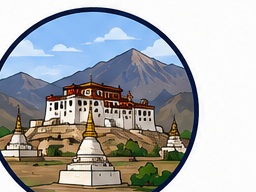
The city is immediately recognizable by the imposing Leh Palace, a nine-story royal residence built in the 17th century that overlooks the bustling local bazaars. To visitors, Leh represents the gateway to the broader Ladakh region, offering access to high-altitude treks, ancient monasteries (gompas), and some of the world's highest motorable mountain passes.
Beyond its appeal to travelers, Leh is a resilient community adapted to a harsh, cold-desert environment. Its people have cultivated a unique way of life, blending ancient traditions with a rapidly modernizing economy. The city also plays a pivotal strategic role for the Indian Armed Forces, further weaving a complex tapestry of civilian, military, and nomadic influences that define its modern identity.
HistoryOpen ↗
Historically, the Indus Valley region where Leh is situated was inhabited by nomadic pastoralists, Indo-Aryan Dards, and Tibetan migrants, creating a diverse ethnic and cultural foundation. For centuries, Leh was a thriving commercial node on the ancient Silk Road. Caravans carrying salt, grain, pashm (cashmere wool), and indigo would stop here to rest and trade before navigating the treacherous mountain passes into Central Asia and Tibet.
Leh's prominence grew significantly in the early 17th century when King Sengge Namgyal moved the capital of the Ladakhi kingdom here. He commissioned the construction of the Leh Palace, modeled after the Potala Palace in Lhasa, which cemented the city's status as a seat of power and a center of Tibetan Buddhism.
In the 1830s, the Dogra general Zorawar Singh successfully invaded Ladakh, ending the Namgyal dynasty's independent rule and incorporating the region into the princely state of Jammu and Kashmir under British suzerainty. Following India's independence in 1947, Ladakh became part of the Indian state of Jammu and Kashmir.
Modern history has seen Leh deeply impacted by regional geopolitical conflicts, notably the Indo-Pakistani wars and the 1962 Sino-Indian War, which led to a massive and permanent military presence in the area. In 2019, a major administrative change reorganized Jammu and Kashmir, establishing Ladakh as a separate Union Territory, with Leh designated as its joint capital, marking a new chapter of autonomous political and economic development.
GeographyOpen ↗
Leh is located in the valley of the upper Indus River, entirely surrounded by the towering peaks of the Zanskar range to the south and the Ladakh range to the north. The city exists in a high-altitude cold desert, created by the rain shadow of the Himalayas, which blocks the arrival of monsoon clouds from the Indian subcontinent.
The landscape is famously stark and barren, defined by rocky outcrops, scree slopes, and deep valleys. Vegetation is sparse, naturally occurring mostly along riverbanks and streams where glacial meltwater provides vital irrigation. Despite the arid environment, human ingenuity over centuries has transformed parts of the valley into green oases of willow groves, poplars, and agricultural terraces during the brief summer months.
Geologically, the region is highly dynamic and sits in a seismically active zone, formed by the continuing tectonic collision of the Indian and Eurasian plates. Natural resources are limited primarily to glacial water, grazing lands for specialized high-altitude livestock, and abundant solar energy potential.
TopographyOpen ↗
Leh sits at an average elevation of 3,524 meters (11,562 feet) above sea level. The topography is rugged and undulating. The city itself is built on a sloping plateau that rises from the floor of the Indus Valley toward the mountains.
The skyline is dominated by steep hills; the most prominent within the city is Namgyal Hill, upon which the Leh Palace and the Tsemo Gompa are situated. Just north of the city lies the formidable Khardung La pass (at an elevation of 5,359 meters), which serves as the gateway to the Nubra Valley. Deep gorges and alluvial fans carved by seasonal glacial streams characterize the immediate outskirts of the urban area.
Weather & climateOpen ↗
Leh experiences a cold desert climate (Köppen climate classification: *BWk*), characterized by long, harsh winters and short, pleasant summers.
Winters last from November to March, with temperatures routinely plummeting well below freezing. Average winter lows can drop to -15°C (5°F) or colder, though daytime temperatures often hover just above freezing under brilliant sunshine. Summers (June to September) are warm and dry, with daytime temperatures averaging 20°C to 30°C (68°F to 86°F), dropping to around 10°C (50°F) at night.
Precipitation is extremely low, averaging roughly 100 mm (4 inches) annually. Most of this falls as snow during the winter. Because the region is not adapted to heavy rain, rare cloudbursts—such as the devastating event in August 2010—can trigger severe flash floods and mudslides. The best time to visit is during the summer months, from May to September, when the mountain passes are clear of snow and the weather is accommodating.
PopulationOpen ↗
According to the 2011 Census of India, the population of Leh town was approximately 30,870, though this number swells significantly during the summer tourist season and with the inclusion of migratory workers and military personnel.
The demographic fabric of Leh is a blend of Tibetan and Indo-Aryan descents. The majority of the city's residents practice Tibetan Buddhism, giving the city its distinct cultural atmosphere. There is also a substantial and historically significant Muslim community (both Sunni and Shia), largely descending from Central Asian and Kashmiri traders, as well as a smaller Hindu population.
Languages spoken reflect this diversity. Ladakhi (a Tibetic language) is the most common mother tongue, while Hindi and English are widely used for official, commercial, and educational purposes. Education levels in Leh have been steadily rising, supported by community-led educational initiatives, though employment remains heavily concentrated in tourism and government sectors.
GovernmentOpen ↗
Leh's local governance is structured uniquely to address the specific needs of the region. The city falls under the jurisdiction of the Ladakh Autonomous Hill Development Council (LAHDC), Leh, which was established in 1995 to give the local population greater control over district planning, economic development, and cultural preservation.
Civic administration and urban maintenance are managed by the Municipal Committee Leh. At the broader level, Leh serves as the joint capital of the Union Territory of Ladakh (alongside Kargil). The Union Territory is administered by a Lieutenant Governor appointed by the President of India. This administrative structure ensures that while national integration is maintained, local indigenous voices heavily influence public policy and resource allocation.
EconomyOpen ↗
Leh's economy has undergone a dramatic transformation over the last few decades, shifting from a traditional agrarian and barter-based system to a cash economy heavily reliant on tourism and defense spending.
Since Ladakh was opened to foreign tourists in 1974, tourism has become the primary economic engine. Thousands of local residents are employed as guides, drivers, hoteliers, and shopkeepers. The Indian Armed Forces also play a massive role; the military presence necessitates vast supply chains and local employment for infrastructure projects, such as road building by the Border Roads Organization (BRO).
While tourism brings significant wealth, it has also introduced challenges, including inflation, a higher cost of living compared to rural areas, and immense pressure on natural resources. Future economic development is focused on sustainable tourism, solar energy initiatives, and high-value agriculture (like sea buckthorn and apricots).
IndustriesOpen ↗
* Tourism & Hospitality: The largest industry, encompassing hotels, homestays, trekking agencies, and restaurants. * Defense & Government: The military and government administration are major employers and drivers of local infrastructure projects. * Agriculture & Horticulture: Primarily subsistence, but increasingly commercialized with products like apricots, apples, and sea buckthorn. * Handicrafts & Textiles: Production and sale of traditional goods, including Pashmina shawls, carpets, and Tibetan Thangka paintings. * Renewable Energy: Growing investments in solar power infrastructure, taking advantage of the region's 300+ days of sunshine.
AgricultureOpen ↗
Farming in Leh is an impressive feat of high-altitude adaptation. Due to the extreme climate, the growing season is short, limited to the summer months between May and September.
Farmers rely on complex traditional irrigation channels (*yura*) that divert glacial meltwater to terraced fields. The primary staple crop is barley, which is roasted and ground into *tsampa*, a dietary staple. Wheat, mustard, potatoes, and peas are also commonly cultivated. Orchards of apricots and apples are highly valued, with Ladakhi apricots being particularly famous for their sweetness.
Livestock rearing is integral to the agricultural ecosystem. Yaks, dzos (a yak-cow hybrid used for plowing), sheep, and Pashmina goats provide milk, meat, wool, and labor, essential for surviving the harsh winters.
HousingOpen ↗
The housing landscape in Leh is a mix of traditional Ladakhi architecture and modern construction. Historically, homes were built using locally sourced mud-bricks, rammed earth, and timber (poplar and willow). These structures featured flat roofs and were brilliantly designed for passive solar heating to withstand winter temperatures.
In recent years, the boom in tourism and urbanization has led to a surge in concrete buildings and multi-story hotels. This shift has raised concerns regarding thermal inefficiency—concrete is notoriously poor at retaining heat in winter—and the erosion of traditional architectural heritage.
Housing costs within Leh city have risen sharply due to limited habitable land and high demand. Most suburban expansion is happening in neighboring flatlands like Choglamsar, where a mix of residential housing and Tibetan refugee settlements are located. Many urban residents now run homestays, converting parts of their single-family homes into income-generating rentals during the summer.
NeighborhoodsOpen ↗
* Main Bazaar: The historic and commercial center of Leh, bustling with street vendors, local shops, and cafes. * Changspa: A vibrant, tourist-centric neighborhood known for its high concentration of guesthouses, multi-cuisine restaurants, and bohemian vibe. * Skara: A quieter, traditionally agrarian neighborhood on the outskirts that is slowly transitioning into residential and boutique homestay areas. * Choglamsar: Located south of the city center, this is a large settlement area home to a significant Tibetan refugee community, monasteries, and local institutions. * Tukcha: A residential area that bridges traditional village life with the encroaching tourist infrastructure, known for its narrow lanes and historic homes.
TransportationOpen ↗
Reaching and navigating Leh is heavily dictated by its extreme geography.
Air: The city is served by the Kushok Bakula Rimpochee Airport (IXL), one of the highest commercial airports in the world. It provides year-round connectivity to major Indian cities like Delhi, Mumbai, and Srinagar, and is the only way in or out during the winter.
Roads: Leh is connected to the rest of India by two spectacularly scenic but treacherous highways: the National Highway 1 (connecting to Srinagar) and the Leh-Manali Highway. Both roads cross multiple high-altitude passes and are completely closed by heavy snow for about six months of the year (November to May).
Local Transit: Within the city and surrounding districts, public transportation is handled by the Jammu & Kashmir State Road Transport Corporation (JKSRTC) buses and private minibuses. Shared taxis and hired SUVs are the most common ways for tourists and locals to reach remote monasteries and villages. The city itself is highly walkable, though the altitude requires acclimatization.
InfrastructureOpen ↗
Infrastructure in Leh faces immense pressure from geographical isolation, harsh winters, and the rapid influx of summer tourists.
* Electricity: Power is supplied by the Power Development Department (PDD), supplemented heavily by the Nimoo Bazgo Hydroelectric Plant, local diesel generators, and a growing array of solar energy installations. Winter outages are still common. * Water & Sewer: Water is drawn from local streams, springs, and borewells. The boom in flush toilets and hotels has created a severe water crisis and challenged the city's nascent sewage management systems, which are currently being upgraded. * Telecommunications: Cellular service (BSNL, Jio, Airtel) is widely available in the city but becomes sparse in remote valleys. Broadband and optical fiber internet are expanding, though speeds and connectivity can occasionally be unstable due to weather or infrastructural damage.
EducationOpen ↗
Leh has made significant strides in education, transitioning from a heavy reliance on traditional monastic schooling to modern institutional frameworks, while retaining cultural context.
Notable institutions include: * University of Ladakh: Established in 2019, providing higher education to students across the Union Territory. * Eliezer Joldan Memorial College (Degree College Leh): A premier institute offering undergraduate degrees in arts, science, and commerce. * Central Institute of Buddhist Studies (CIBS): A globally recognized institution dedicated to the study and preservation of Buddhist philosophy, culture, and arts. * Students' Educational and Cultural Movement of Ladakh (SECMOL): An innovative alternative school famous for its solar-heated campus and hands-on, culturally relevant educational philosophy. * Moravian Mission School: One of the oldest modern educational institutions in the region, established in the late 19th century. * Lamdon Model Senior Secondary School: A prominent local school focusing on quality modern education infused with Ladakhi values.
HealthcareOpen ↗
Healthcare in Leh is specifically adapted to its high-altitude environment, with a strong focus on treating Acute Mountain Sickness (AMS) and altitude-related ailments for both residents and visitors.
* Sonam Norboo Memorial (SNM) Hospital: The primary government healthcare facility in the city, providing comprehensive medical services, emergency care, and specialized altitude-sickness wards. * Mahabodhi Karuna Charitable Hospital: A prominent NGO-run facility offering holistic healthcare, eye care, and general medicine to the local community. * Army General Hospital: While primarily serving military personnel stationed in the region, the Indian Army's medical facilities frequently provide critical life-saving assistance and emergency evacuations for civilians. * Pharmacies: A robust network of local pharmacies lines the Main Bazaar, well-stocked with essential medications, oxygen cylinders, and high-altitude remedies.
Emergency servicesOpen ↗
Emergency services in Leh are coordinated to handle the unique challenges of a high-altitude, mountainous desert prone to extreme weather, landslides, and avalanches.
* National Emergency Number: 112 * Police: 100 * Fire: 101 * Ambulance: 108
The District Disaster Management Authority (DDMA) plays a pivotal role in extreme weather alerts and rescue operations. Due to the challenging terrain, the Indian Army and the Indo-Tibetan Border Police (ITBP) are frequently called upon to assist in search, rescue, and airlift operations for stranded travelers or medical emergencies.
BusinessesOpen ↗
Leh's economy is deeply rooted in tourism, traditional agriculture, and the retail of regional handicrafts. The city serves as the commercial hub for the broader Ladakh region.
* Tourism and Hospitality: The primary economic driver, encompassing hundreds of local tour operators, boutique hotels, homestays, and trekking agencies. * The Main Bazaar: A vibrant commercial artery dating back to the Silk Route era. Today, it thrives with shops selling authentic Pashmina (cashmere) shawls, Tibetan silver jewelry, traditional Thangka paintings, and trekking gear. * Agriculture & Local Produce: Small-scale enterprises and cooperatives focus on regional products like apricots, apples, and nutrient-dense sea buckthorn berries, which are processed into juices and jams. * Sustainable Startups: A growing movement of eco-conscious businesses, such as Dzomsa, promote zero-waste living, safe drinking water refills, and locally sourced organic products.
Restaurants & foodOpen ↗
The culinary landscape of Leh is a warming, hearty reflection of its Himalayan geography and Tibetan cultural ties, fused with North Indian and global cafe cultures aimed at travelers.
* Local Cuisine: Staples include *Momos* (steamed or fried dumplings), *Thukpa* (noodle soup), *Skyu* (a traditional thumb-pressed pasta stew), *Chhutagi* (bowtie-shaped dough cooked in a rich vegetable or meat broth), and *Tigmo* (steamed fermented bread). * Beverages: *Gur Gur Chai* (traditional butter tea made with yak or cow butter and salt) is a cultural staple, alongside sweet Kashmiri Kahwa. * Famous Eateries: The Tibetan Kitchen is renowned for its authentic Himalayan fare, while Gesmo Restaurant and Lamayuru Restaurant are beloved mainstays for both local dishes and hearty breakfasts. Pumpernickel German Bakery is a long-standing favorite for fresh bread and pastries. * Street Food & Markets: The local market features vendors selling fresh roasted barley (*tsampa*), dried apricots, and walnuts, while seasonal food festivals celebrate Ladakhi farm-to-table traditions.
TourismOpen ↗
As the gateway to the Ladakh region, Leh is a treasure trove of ancient architecture, panoramic vistas, and rich Buddhist heritage.
* Leh Palace: A majestic, nine-story former royal palace built in the 17th century, modeling the Potala Palace in Lhasa, offering sweeping views of the city and the Stok Kangri mountains. * Shanti Stupa: A white-domed Buddhist peace pagoda perched on a hilltop in Chanspa, famous for its breathtaking sunrise and sunset views. * Namgyal Tsemo Gompa: A historic monastery founded in 1430, located above Leh Palace, housing a three-story high solid gold idol of Maitreya Buddha. * Hall of Fame: A museum constructed by the Indian Army honoring soldiers who lost their lives in the Indo-Pak wars, while also showcasing Ladakhi culture and history. * Datun Sahib: A historic site featuring a Meswak tree believed to have been planted by Guru Nanak during his visit to Leh.
RecreationOpen ↗
Leh is a world-renowned basecamp for high-altitude adventure and outdoor recreation, drawing thrill-seekers from across the globe.
* Trekking: Popular routes include the Markha Valley trek, the challenging ascent of Stok Kangri, and the famed Chadar Trek (walking on the frozen Zanskar River in mid-winter). * Motorcycling & Cycling: The journey to Khardung La (one of the world's highest motorable passes) is a bucket-list experience for mountain bikers and motorcyclists. * River Rafting: The convergence of the Indus and Zanskar rivers offers spectacular white-water rafting opportunities ranging from scenic floats to challenging rapids. * Bouldering & Rock Climbing: The surrounding rugged terrain provides excellent, uncrowded spots for bouldering enthusiasts.
Parks & natureOpen ↗
While Leh itself is a bustling urban center, it is surrounded by a breathtaking high-altitude desert ecosystem.
* Hemis National Park: Located a short drive from Leh, this high-altitude national park is globally famous for having the highest density of snow leopards in any protected area in the world. It is a premier destination for wildlife tracking in the winter. * Local Flora and Fauna: The arid landscape is dotted with resilient vegetation like sea buckthorn and juniper, and wildlife enthusiasts can spot blue sheep (Bharal), Tibetan wild asses (Kiang), and golden eagles in the surrounding valleys.
Rivers, lakes & waterwaysOpen ↗
Water is a precious and deeply revered resource in the high desert of Ladakh, with Leh historically relying on glacial melt.
* Indus River: One of the longest rivers in Asia, the Indus flows just south of Leh. It is a lifeline for the region's agriculture and a popular spot for scenic walks and rafting. * Sangam (Confluence): Located at nearby Nimmu, visitors can witness the striking confluence where the bluish-green waters of the Indus meet the muddy, turbulent waters of the Zanskar River. * High-Altitude Lakes: While not in the city itself, Leh is the starting point for journeys to the magnificent Pangong Tso and Tso Moriri lakes, famous for their shifting shades of blue.
Arts & cultureOpen ↗
Leh is a vibrant custodian of Tibetan Buddhist culture, preserving ancient traditions through art, architecture, and daily life.
* Monastic Heritage: The city is a short distance from iconic, living monasteries like Thiksey, Hemis, and Spituk, which serve as centers of religious study and cultural preservation. * Traditional Arts: The city is known for *Thangka* painting (intricate Buddhist scroll paintings), copper and silver smithing, and intricate wood carving visible in local architecture. * Central Asian Museum: Located in the old town, this museum highlights Leh's historic role as a bustling crossroads on the Silk Road, trading in pashmina, silk, and spices. * Cham Dances: Elaborate, colorful masked dances performed by monks during monastic festivals, depicting the triumph of good over evil.
ReligionOpen ↗
Leh is a beautiful tapestry of faiths, characterized by deep historical tolerance and coexistence.
* Buddhism: The predominant religion. The city and its surroundings are dotted with *gompas* (monasteries), stupas, and prayer wheels, reflecting the deep-rooted Tibetan Buddhist faith of the majority. * Islam: The city has a significant Muslim population (both Sunni and Shia). The Jama Masjid, a beautiful historic mosque built in the 17th century, stands prominently in the Main Bazaar. * Christianity: The Moravian Church in Leh is one of the oldest in the region, established by missionaries in the late 19th century, contributing significantly to modern education in the area. * Sikhism & Hinduism: Smaller communities exist, with nearby Gurudwara Pathar Sahib being a major pilgrimage site for Sikhs, and various Hindu temples serving residents and military personnel.
SportsOpen ↗
Despite its harsh winters, Leh has a passionate sports culture that brings the community together.
* Ice Hockey: Ice hockey is incredibly popular. The natural freeze of ponds and the Karzoo Ice Hockey Rink host intense local leagues and the Indo-Canadian friendship tournaments during the freezing winter months. * Archery: A traditional and highly celebrated sport, local archery tournaments are joyous community events accompanied by music, dancing, and local barley beer (*chhang*). * Polo: Introduced via the Silk Route, traditional Ladakhi polo is fast-paced and rough, frequently played at the Leh Polo Ground. * Ladakh Marathon: Held annually, it is recognized as the highest and among the most challenging marathons in the world, requiring significant acclimatization.
EventsOpen ↗
Leh's calendar is punctuated by vibrant festivals that celebrate its unique environment and cultural heritage.
* Ladakh Festival: Held in September, this week-long event showcases the region's cultural diversity through traditional dances, sports, and a massive parade through the city. * Sindhu Darshan Festival: Celebrated in June on the banks of the Indus River, it promotes communal harmony and pays tribute to the river that gave India its name. * Dosmochey: The "Festival of the Scapegoat," celebrated in February, featuring masked dances and rituals to ward off evil spirits for the coming year. * Losar: The Ladakhi New Year, celebrated with great fervor, feasting, and the illumination of homes and monasteries.
MediaOpen ↗
Local media in Leh focuses on community news, cultural preservation, and keeping the remote region connected.
* Print and Digital: *Reach Ladakh Bulletin* is a prominent local publication providing news and cultural features. Regional news is also covered by *State Times* and *Daily Excelsior*. * Radio: All India Radio (AIR) Leh broadcasts in local languages (Ladakhi, Balti, Purig) and is a crucial source of news and entertainment, especially during the heavy snows of winter. * Television: Doordarshan Kendra Leh provides local programming, focusing on agriculture, culture, and government initiatives.
Prominent personalitiesOpen ↗
Leh has produced remarkable individuals who have made significant contributions to science, culture, and social reform.
* Sonam Wangchuk: An engineer, innovator, and education reformist who designed the SECMOL campus and artificial glaciers (ice stupas); he was the inspiration for a lead character in the film *3 Idiots*. * Chewang Norphel: A civil engineer affectionately known as the "Ice Man of India," renowned for creating artificial glaciers to combat water shortages. * Dr. Tsering Landol: The first gynecologist from Ladakh and a Padma Shri awardee, celebrated for her pioneering work in women's health in the region. * Morup Namgyal: A legendary Ladakhi folk musician, playwright, and cultural preservationist, honored with the Padma Shri.
Notable companiesOpen ↗
The corporate footprint in Leh is primarily composed of local enterprises dedicated to hospitality, adventure tourism, and sustainable regional development.
* The Grand Dragon Ladakh: One of the most notable luxury hospitality employers in the city, setting standards for eco-friendly tourism in the region. * Himalayan Ecotourism: A cooperative startup recognized for its sustainable, community-driven approach to trekking and tourism. * Pashmina Cooperatives: Various local co-ops manage the ethical sourcing, weaving, and global export of authentic Changthangi pashmina, providing critical livelihoods for regional artisans. * SECMOL: (Students' Educational and Cultural Movement of Ladakh) While an educational NGO rather than a traditional company, it is one of the most prominent and impactful organizations headquartered near Leh.
Sister citiesOpen ↗
_Data not readily available for this location._
From Leh →
Popular neighbouring-country destinations frequently paired with Leh.
Local news
via Google News · refreshed hourly- 5.5 Magnitude Earthquake Hit Leh, Nearly Four Hours Later Came Another - NDTVNDTV· Aug 13, 20265.5 Magnitude Earthquake Hit Leh, Nearly Four Hours Later Came Another NDTV
- Two earthquakes of magnitudes 5.5 and 4.3 jolt Ladakh's Leh within five hours | India News - Hindustan TimesHindustan Times· Aug 13, 2026Two earthquakes of magnitudes 5.5 and 4.3 jolt Ladakh's Leh within five hours | India News Hindustan Times
- His Holiness Arrives in Leh, Ladakh - The Office of His Holiness The Dalai LamaThe Office of His Holiness The Dalai Lama· Jun 28, 2026His Holiness Arrives in Leh, Ladakh The Office of His Holiness The Dalai Lama
- Not just Leh, Ladakh could get two new airports soon; Thoise may start flights by December and Kargil late - The Economic TimesThe Economic Times· Aug 24, 2026Not just Leh, Ladakh could get two new airports soon; Thoise may start flights by December and Kargil late The Economic Times
- US Ambassador Sergio Gor visits Thiksey Monastery in Ladakh - ANI NewsANI News· Aug 21, 2026US Ambassador Sergio Gor visits Thiksey Monastery in Ladakh ANI News
- Ladakh: Earthquake of magnitude 3.5 strikes Leh - DevdiscourseDevdiscourse· Aug 24, 2026Ladakh: Earthquake of magnitude 3.5 strikes Leh Devdiscourse
- sā Ladakh Biennale 2026: Inside the world's highest biennale and its regenerative vision - STIRworldSTIRworld· May 20, 2026sā Ladakh Biennale 2026: Inside the world's highest biennale and its regenerative vision STIRworld
- Leh Air Quality Index (AQI) and India Air Pollution - IQAirIQAir· Jun 24, 2026Leh Air Quality Index (AQI) and India Air Pollution IQAir
